Take part / A national heritage troupe
Wuhan acrobatics: the bookable tradition
If you want one traditional performance in Wuhan that you can actually plan an evening around, this is the strongest candidate — with one honest limitation: the programme lives in Chinese.
Wuhan acrobatics is the city's most bookable traditional performance: a troupe founded in 1953, national heritage listing in 2014, and China's first purpose-built acrobatics hall (1992), where the provincial culture department says productions run year-round. The catch: listings and tickets live in Chinese apps, so this page publishes no programme or price.
Of everything on our Chinese culture shortlist, Wuhan acrobatics is the one item where a provincial government department states in print that performances run year-round at a dedicated venue (F120). Every other traditional performance in this city is either daily-but-tiny (the museum's bell concert), weekend-only (opera), or seasonal. If your trip has one evening for Chinese performing arts and you want certainty over authenticity-purity, start here.
The troupe and the art form
Wuhan's acrobatics troupe was founded in September 1953, according to the city gazetteer, and grew into one of China's flagship companies (F120). In December 2014, "Wuhan acrobatics" entered the fourth batch of the national intangible cultural heritage list — the same register that holds Han opera and Hubei storytelling. The tradition here runs to bicycle skills, chair stacks, contortion, plate-spinning and the comic interludes Chinese audiences expect between feats; nothing about it needs translation, which is exactly its value for a visitor who does not speak the language.
The hall: China's first purpose-built circus venue
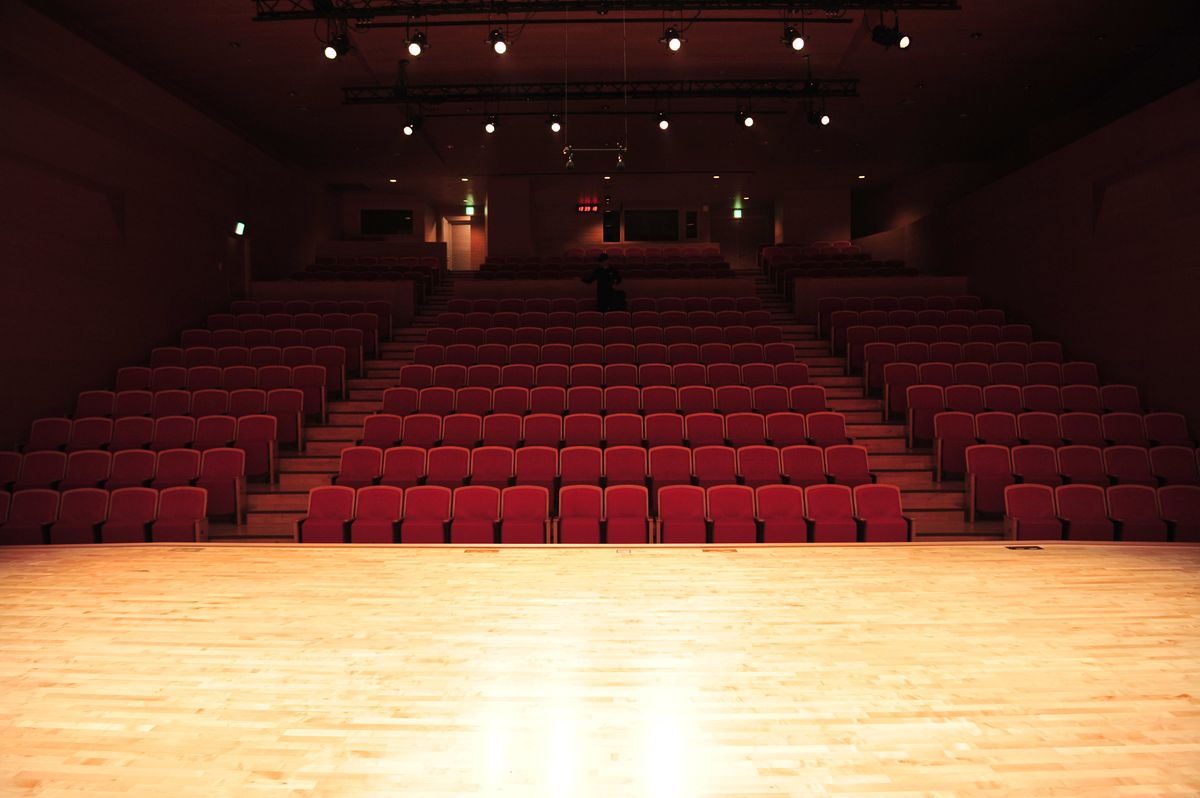
The Wuhan Acrobatics Hall opened in 1992 as the country's first venue built specifically for international circus and acrobatics (F120). The Hubei culture and tourism department calls it the core showcase base of the national-heritage art form and says acrobatic productions play there year-round; the city has run fifteen editions of its international acrobatics festival. In practical terms: a real theatre with a real stage, in Hankou, devoted to one art form for over thirty years.
How to actually get a ticket
Here is the honest part. Listings for the hall circulate on Chinese ticketing apps and the troupe's WeChat presence; we found no English booking path and no stable English programme, so this page publishes neither programme nor prices — they are scheduling data that changes (F120). Workable approaches, in order of reliability: ask your hotel desk the day before (front-desk staff can read the Chinese listing and call); check a Chinese ticketing app if you have one; or go in person to the box office on the day for matinee availability. The show's visual nature means a language barrier costs you almost nothing once you are seated.
The audience skews tour-group and family, the hall is a working 1992 venue rather than a glamour address, and — the structural issue — everything about booking is in Chinese. If you want the opposite trade (higher production, easier booking, but mostly Western repertoire), that is the Qintai halls one district over in Hanyang.
If an evening of acrobatics is not your shape
The alternatives, ranked on our shortlist: the replica-bell concert (daily, but ticket bought on site only), a weekend Han or Chu opera (small theatres, dialect, zero English), or the Guqin Terrace (daytime, reported-daily, meditative rather than spectacular). Acrobatics is simply the one with a purpose-built hall and a provincial department vouching for its calendar.
Questions we keep seeing
Is Wuhan acrobatics really a national heritage item?
Where is the Acrobatics Hall and when are shows?
How much are tickets?
Will I understand it without Chinese?
How does it compare with the bell concert or opera?
Sources, prices and currency
Troupe founding (1953-09) and 2014 national ICH listing: Wuhan local gazetteer and provincial heritage register (F120, A-level). "Year-round performances" at the 1992 hall and the fifteen international festival editions: Hubei Department of Culture and Tourism, in so many words (F120, A-level) — the strongest calendar claim on this site. Programme, prices, booking channels and English availability: unverified, deliberately not published. Class B — re-check quarterly.
Every CNY amount on this page is shown twice: the yuan figure you will actually see on the price board, and a US dollar conversion for budgeting. Dollar values are mid-market conversions at 1 CNY = $0.14957 (ExchangeRate-API (open.er-api.com), 12 Nov 2026), refreshed automatically when the page loads and cached for 24 hours. Your bank or card issuer will use its own rate and may add a foreign-transaction fee. Full explanation.
Checked quarterly — hours, routes and venues. This page was last checked 2026-11.