Essentials / Contingencies
When the
plan breaks
Most first-trip anxiety is not about sights. It is about the hour when your phone dies, your passport is missing, or the last metro has gone. This page is the fallback.
Save four numbers before you land: 110 for police, 119 for fire, 120 for an ambulance, and 12367 for immigration and visa questions. If you lose your passport, report it to the local police station immediately, then contact your embassy or consulate. For the smaller failures — a late flight, a card that will not scan, a closed museum — the hotel front desk and the venue's own site are more useful than any guide, including this one.
China is a straightforward country to travel in, but it is a hard country to improvise in when your phone is flat and you cannot read the sign. Everything below is either an official number, an official procedure, or an honest admission that we could not verify something — with the action to take on the day.
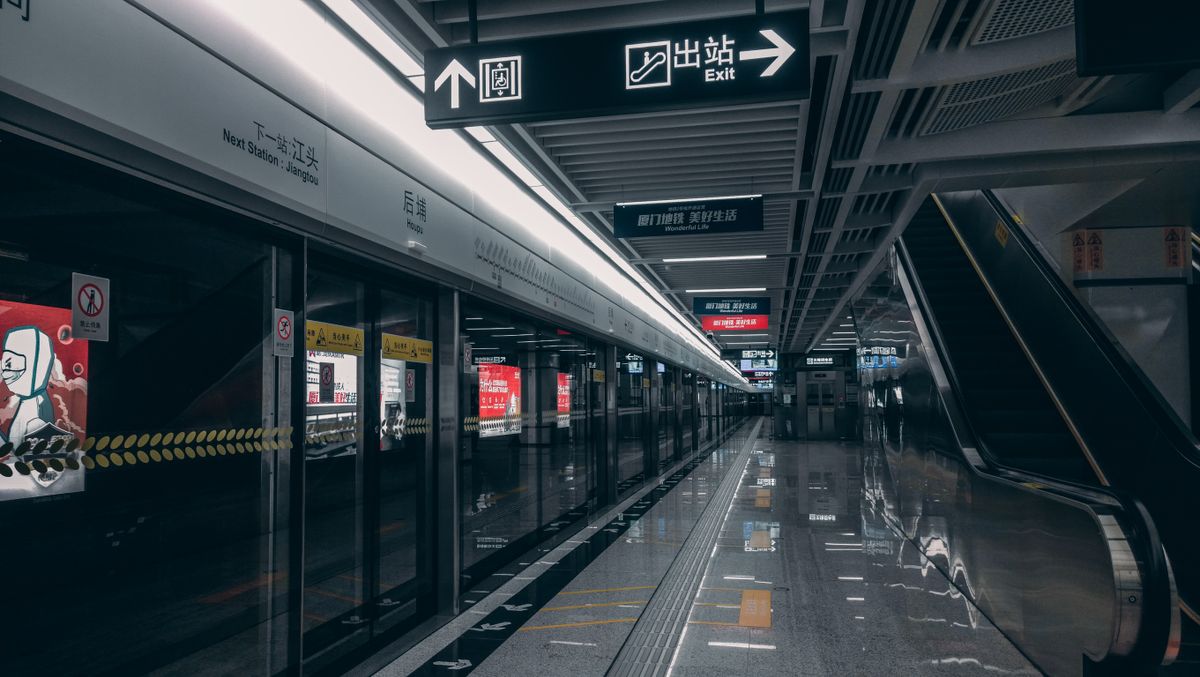
Four numbers to save before you land
| Number | For | What to expect |
|---|---|---|
| 110 | Personal assault, theft, property crime | Police. English is not guaranteed — ask your hotel front desk or someone nearby to make the call in Chinese. |
| 119 | Fire | Fire service. Same language caveat. |
| 120 | Medical emergency, ambulance | Ambulance. Ask the front desk to call and to explain your location; we do not name hospitals because we cannot verify which ones currently run foreign-language services. |
| 12367 | Visa, entry-exit and passport-policy questions | The National Immigration Administration's service platform: officially 24/7 with Chinese and English service. Use this when the question is about your status, not about your health. |
Some government pages also list 999 for an ambulance, 122 for traffic accidents and 114 for directory enquiries. We publish the four above because those are the ones stated consistently in the official English-language guidance we checked; if a local notice gives a different number, follow the notice.
If you lose your passport
- Report it to the local police station immediately. That is the procedure stated in Chinese government guidance for foreign visitors. Keep the written report you are given.
- Contact your embassy or consulate. They issue the replacement travel document. We do not publish processing times, addresses or fees — they depend on your nationality and change.
- Tell your hotel and your airline. Both hold registration or check-in details tied to the document you no longer have; let them tell you what they need.
- Call 12367 if the question is whether you can still travel, re-enter, or stay under your visa-free status.
This is not legal or medical advice, and it is not a substitute for your own consulate's instructions. We only repeat what official guidance says; we cannot adjudicate an individual case. See the visa page for the rules that apply before anything goes wrong.
The problems you are actually likely to have
| Situation | What works | Where the detail lives |
|---|---|---|
| Landed after the last metro | Book a room near an airport metro station or in Hankou and use the next morning for sightseeing. Do not plan on showers, capsule hotels or sleeping facilities inside the terminal — we could not verify any. | Layover decision table · Midnight arrival |
| A driver quotes a flat price | Ask for the meter, or book through DiDi where the fare is shown in the app. Our arrivals page records a forum question about a hotel-arranged car quoted far above published taxi ranges — the pattern is the warning, not the number. | Airport to city |
| Your card is refused or a QR code fails | Carry a little cash as a backstop and test Alipay or WeChat Pay with a small payment while you still have airport WiFi. Foreign-card support at the airport and railway-station metro gates is confirmed by the operator. | Pay and connect |
| No data, no map, phone dying | Install an eSIM before departure, keep an offline translation app, and save your hotel's Chinese address as a screenshot rather than in a cloud note. A power bank matters more here than another guidebook. | Getting online · Phrase cards |
| A museum is closed or needs a booking | Mondays close several of the best indoor hours, and some require real-name reservation. Check the venue's own site the day before, carry your passport original, and keep an outdoor alternative. | Eight places · Official-site index |
| Rain or a 35-degree afternoon | Swap the outdoor block for a museum or the old riverfront arcades. Both the three-day route and the month-by-month calendar give an indoor version. | Two or three days · When to visit |
| Nobody understands you | Show Chinese characters rather than pronouncing them. A screenshot of the right sentence works even with no signal. | Show-this Chinese |
What we could not verify — and what to do about it
Every could not verify on this site is collected here once, instead of being quietly repeated across a dozen pages. The point is not to apologise: it is to hand you the check that settles it on the day. This is the honest half of how the handbook works — knowing a city is not the same as having today's notice board.
| Area | What we know | What we cannot verify → confirm on the day |
|---|---|---|
| Metro last trains | Official fare table and the full English line map are published. | Last departures differ by line and station and English-language sources contradict each other → read the platform notice board or the operator's app before an evening out. Getting around |
| Airport overnight | The airport-to-city route, metro and taxi ranges are published. | Showers, capsule rooms and reliable all-night facilities inside the terminal → assume none; book a room. Layover |
| 05:00 arrivals | Early breakfast stalls are a genuine local institution. | Which bathhouses, gaming cafés or day-pass venues are open, and whether they accept foreign guests → ask the hotel; do not build a plan on them. Layover |
| The ferry | The classic crossing, its reported fare and daily hours are published. | Whether the upper deck stays open in bad weather, and luggage rules → check the pier notice before boarding. Ferry |
| Museum booking | The Hubei Provincial Museum is free, closed Mondays, and a foreign passport works for its reservation. | Booking rules for several other venues → book as early as the channel allows, bring the passport original, keep an outdoor Plan B. Route |
| Payment fees | Both major apps accept foreign cards; the metro operator confirms international cards at airport and railway-station gates. | The service-fee threshold and rate for foreign cards → read the in-app notice before a large payment. Pay and connect |
| Data and WiFi | Three ways to get online, and where each tends to fail, are laid out. | eSIM and VPN prices, whether airport WiFi needs a Chinese mobile number, and which VPN works → install and test before departure; carry a second option. Getting online |
| Lakeside bike hire | The greenway is paved, car-free, with rental along the route. | Current rental prices, deposits and bike-parking penalties → scan the QR code at the stand. East Lake |
| Hotels | Which town to base in, and the checks that matter more than room photos. | Which properties currently hold the right to register foreign guests, and private-apartment registration rules → ask the property directly, in writing, before booking. Where to stay |
| 2027 blossom season | The 2025 reservation baseline is published with its sources. | Wuhan University's 2027 policy → not yet announced at our last check; we re-check before the end of January 2027. Cherry blossom |
A guide that hides its gaps feels more confident and is less useful. If you confirm one of these on the ground, tell us — a dated correction is how this handbook earns its tagline.
Questions we keep seeing
What are the emergency numbers in China for foreign visitors?
What should I do if I lose my passport in Wuhan?
Why does this handbook say 'could not verify' so often?
Is Wuhan safe for a first-time solo visitor?
Sources, prices and currency
Emergency numbers and lost-passport procedure: FACTS.md F84, checked 2026-11-12 against Beijing Municipal Government's English 'How to Get Help in Case of Emergencies' (2024-04-24), the Sanya municipal English 'Living in China' guide, China Daily Government Services (citing english.gov.cn), the National Immigration Administration's 12367 contact page (2021-09-22), and MFA consular guidance. We publish only 110/119/120/12367 because those are stated consistently; 999/122/114 are mentioned as alternative official listings, not adopted. No hospital, pharmacy or police-station names are published — we could not verify their current foreign-language services. The open-gaps table is a consolidation of existing page notes (F85) and introduces no new facts; each row links back to the page with the detail. Class B — reviewed quarterly, and the gap list is re-scanned at each monthly Class A review.
Every CNY amount on this page is shown twice: the yuan figure you will actually see on the price board, and a US dollar conversion for budgeting. Dollar values are mid-market conversions at 1 CNY = $0.14957 (ExchangeRate-API (open.er-api.com), 12 Nov 2026), refreshed automatically when the page loads and cached for 24 hours. Your bank or card issuer will use its own rate and may add a foreign-transaction fee. Full explanation.
Checked quarterly — hours, routes and venues. This page was last checked 2026-11.